Scan, Trust, Decide: The New Era of Eco Labels

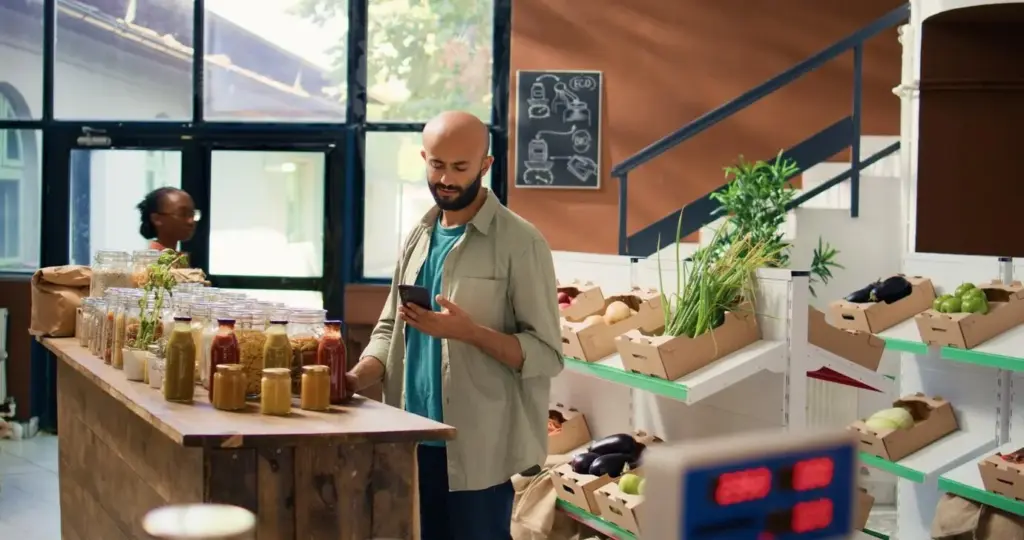
Today we explore The Future of Eco Labels: Digital Transparency, QR Codes, and Data Disclosure, showing how a simple scan can expose supply chains, verify claims, and rebuild trust. Expect practical examples, human stories, and honest guidance to help shoppers, brands, and regulators make better, faster, and fairer decisions.

Why Transparency Must Turn Digital

{{SECTION_SUBTITLE}}

From Static Logos to Living Records

Shoppers deserve more than a green leaf. A QR code can open a changelog: energy mix improvements, audit outcomes, corrective actions, and seasonal sourcing shifts. When a roaster switched to renewable steam, the label updated next week, preserving history while signaling real momentum.

Closing the Trust Gap

Greenwashing thrives where claims are vague and untestable. Linking to methodologies, primary data sources, and independent verification reduces uncertainty. One family stopped ignoring sustainability badges after scanning a detergent and seeing factory emissions, water recycling rates, and third-party sign-offs displayed without spin or clutter.

QR Codes at the Point of Choice

Designing Scannable Moments

Placement, contrast, and call-to-action language shape whether anyone scans. Simple prompts like “See our factory energy today” outperform vague icons. Retailers that tested larger codes near price tags saw more engagement, especially when loading times were under two seconds and pages respected privacy from the first click.

From Packaging to Deep Context

Placement, contrast, and call-to-action language shape whether anyone scans. Simple prompts like “See our factory energy today” outperform vague icons. Retailers that tested larger codes near price tags saw more engagement, especially when loading times were under two seconds and pages respected privacy from the first click.

Inclusive Access by Design

Placement, contrast, and call-to-action language shape whether anyone scans. Simple prompts like “See our factory energy today” outperform vague icons. Retailers that tested larger codes near price tags saw more engagement, especially when loading times were under two seconds and pages respected privacy from the first click.

What to Disclose and How to Prove It
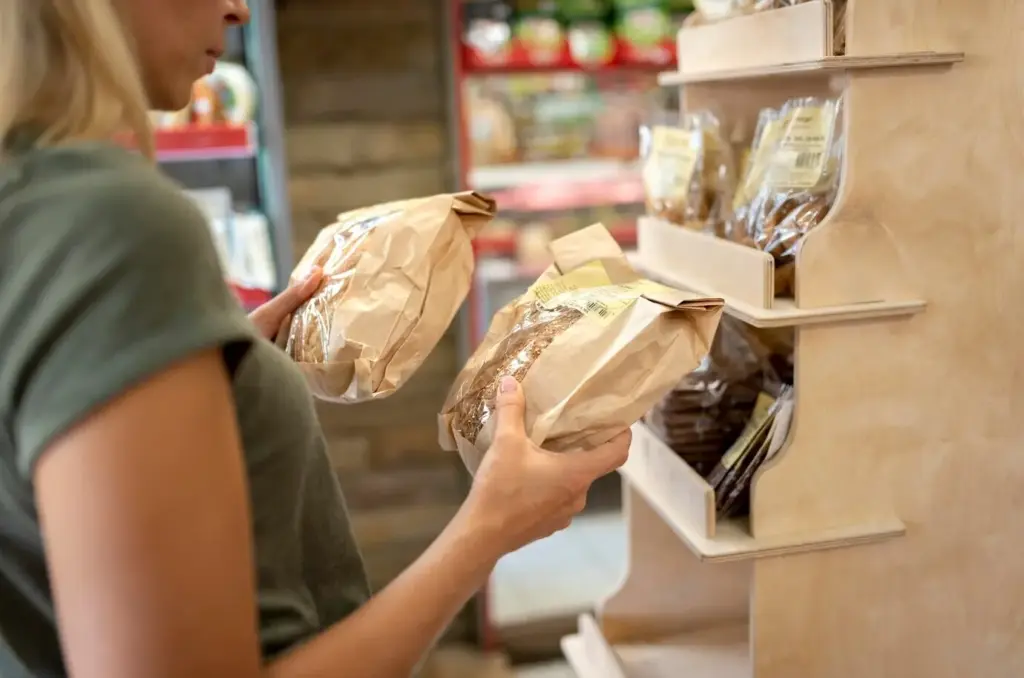
Clarity begins with scope. Declare functional units, system boundaries, and timeframes, then map material issues honestly. Carbon alone misleads; water stress, toxicity, biodiversity, and circularity matter. Back claims with primary data where possible, documented estimation where not, and transparent uncertainty so readers judge appropriately.

Independent Audits That Matter

Rotating auditors, surprise inspections, and public summaries deter cozy relationships. Publish non-conformities and corrective actions with timelines. Brands that let their verifiers host data snapshots avoided conflicts of interest and signaled maturity, especially when they welcomed reader feedback and corrected small errors quickly, transparently, and gratefully.

Tamper Resistance and Cryptographic Links

Dynamic QR codes can be bound to product IDs using signed URLs, short-lived tokens, and DNS security. Even if images are copied, back-end checks reject mismatched serials. Openly documenting this logic educates shoppers and deters scammers, similar to how banking apps communicate layered protections without jargon.

Privacy by Design

Scanning should not become surveillance. Collect minimal analytics, offer clear consent choices, and process aggregates locally when possible. One grocer capped retention at seven days and published a plain-language policy; opt-in rates rose, and customers felt respected instead of tracked, even during high-traffic seasonal promotions.

Plain Language That Respects Intelligence

Replace slogans with verbs and numbers readers can test. Say how calculations work and what you do not know yet. After a cereal brand swapped buzzwords for crisp sentences and sources, parents felt empowered and began sharing scans in school chats, driving organic, trust-based adoption.

Visual Hierarchies That Guide Choices

Start with what matters most for the product’s footprint, then reveal depth. A clean score backed by transparent math works better than decorative badges. Designers who tested wireframes with real shoppers discovered that a single honest drawback, clearly explained, increased credibility more than ten celebratory icons.

Impact, Regulation, and What Comes Next

Digital labels should deliver measurable benefits: behavior shifts, waste reductions, and faster compliance. Track scan-to-purchase, compare cohorts, and share aggregated learnings. As the CSRD, Green Claims Directive, and SEC rules evolve, interoperable data pipelines will turn compliance costs into catalysts for innovation across entire product portfolios.

Proving Business Value Without Greenhype

Run controlled pilots in key categories and publish the results, good and bad. We have seen uplift when evidence is crisp, and declines when pages stall. Share templates, invite peers, and build a movement that values truth over polish, because trust compounds faster than paid impressions.

Interoperability and Open Standards

Reduce vendor lock-in by using GS1 identifiers, open APIs, and common schemas for claims. When retailers and certifiers share vocabularies, links persist and duplication falls. A regional coalition aligned on data fields, cutting integration time from months to weeks and freeing teams to improve substance.

A Roadmap for the Next 12 Months

Start with a pilot category, define disclosures, and pick a verification partner. Build privacy-respecting analytics, then scale to top sellers. Recruit community ambassadors, translate content, and report quarterly. Twelve focused months can transform labels from static decoration into a dynamic dialogue that measurably improves outcomes.
Kelutunuzeta
Privacy Overview

This website uses cookies so that we can provide you with the best user experience possible. Cookie information is stored in your browser and performs functions such as recognising you when you return to our website and helping our team to understand which sections of the website you find most interesting and useful.